
What Is Digital Marketing? A Complete Beginner-Friendly Guide (2026)
Introduction
Digital marketing has become an essential part of how businesses communicate, grow, and survive in today’s online-first world. Whether someone is searching for a product on Google, scrolling Instagram, watching YouTube, or reading blogs, digital marketing plays a role in shaping what they see and how they make decisions.
Earlier, marketing was mostly one-way communication through television, newspapers, and billboards. Today, marketing is interactive, data-driven, and personalized. Digital marketing allows businesses to reach the right audience, at the right time, with the right message.
This pillar guide explains digital marketing from the ground up — covering concepts, channels, benefits, career opportunities, and how beginners can start building real skills.
What Is Digital Marketing?
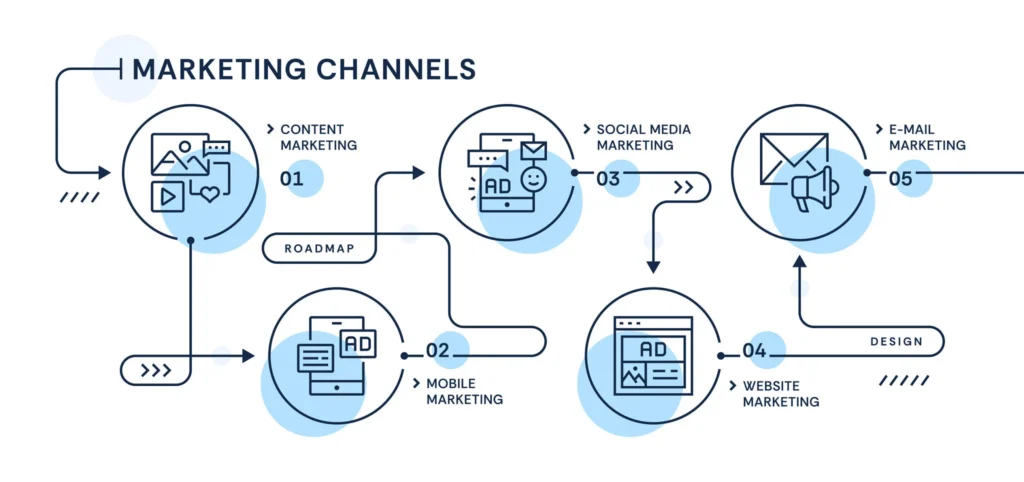
Digital marketing refers to promoting products, services, or personal brands using digital channels and internet-based platforms. These channels include search engines, websites, social media platforms, email, mobile apps, and online advertising systems.
The biggest difference between digital marketing and traditional marketing is measurability. In digital marketing, almost everything can be tracked — impressions, clicks, engagement, conversions, and return on investment.
Digital marketing allows businesses to:
-
Target specific demographics and interests
-
Track performance in real time
-
Optimize campaigns instantly
-
Reach global audiences with limited budgets
How Digital Marketing Works
Digital marketing works by understanding user behavior online. Every digital strategy revolves around three key stages:
-
Attraction – Bringing users through SEO, content, and social media
-
Engagement – Providing value through content and interaction
-
Conversion – Turning visitors into leads or customers
Successful digital marketing focuses on solving problems, not just selling products.
Major Types of Digital Marketing
Search Engine Optimization (SEO)
SEO is the process of optimizing websites to rank higher in organic search results. It focuses on improving visibility when users search for information, products, or services.
SEO includes:
Keyword research
Content optimization
Website structure
Page speed and mobile usability
SEO is slow but sustainable and builds long-term authority.
Content Marketing
Content marketing involves creating blogs, videos, guides, and resources that educate or help users. Instead of selling directly, content marketing builds trust and positions brands as experts.
Benefits include:
Strong SEO support
Audience trust
Brand authority
Long-term traffic
Social Media Marketing (SMM)
Social media marketing helps brands connect with audiences on platforms like Instagram, Facebook, LinkedIn, and X.
It focuses on:
Brand awareness
Community building
Engagement
Paid social campaigns
Consistency and authenticity are critical here.
Paid Advertising (PPC)
Paid advertising provides instant visibility through platforms like Google Ads and Meta Ads. Businesses pay per click or impression.
Paid ads are useful for:
Quick traffic
Lead generation
Promotions and launches
Without proper strategy, however, paid ads can become expensive.
Email Marketing
Email marketing is the practice of sending targeted emails to a group of people to promote content, products, services, or relationships.
Unlike spam emails, professional email marketing is:
Permission-based
Audience-focused
Value-driven
Strategically planned
Users usually subscribe voluntarily by signing up on a website, downloading a resource, or registering for updates. This makes email marketing one of the highest-intent marketing channels.
Why Digital Marketing Is Important
Digital marketing is important because:
Consumers research online before buying
Businesses need measurable marketing results
Competition is high
Customer attention is digital
Without digital marketing, businesses risk becoming invisible.
Digital Marketing Career Opportunities
Digital marketing offers multiple career paths:
SEO Specialist
Content Marketer
Social Media Manager
Paid Ads Strategist
Digital Marketing Analyst
Practical skills and hands-on experience matter more than degrees.
How Beginners Can Start Digital Marketing
Learn fundamentals
Build a personal website
Practice SEO and content
Use free tools
Track performance
Final Thoughts
Digital marketing is not just a career — it’s a modern business skill. With consistent learning and experimentation, anyone can grow in this field.