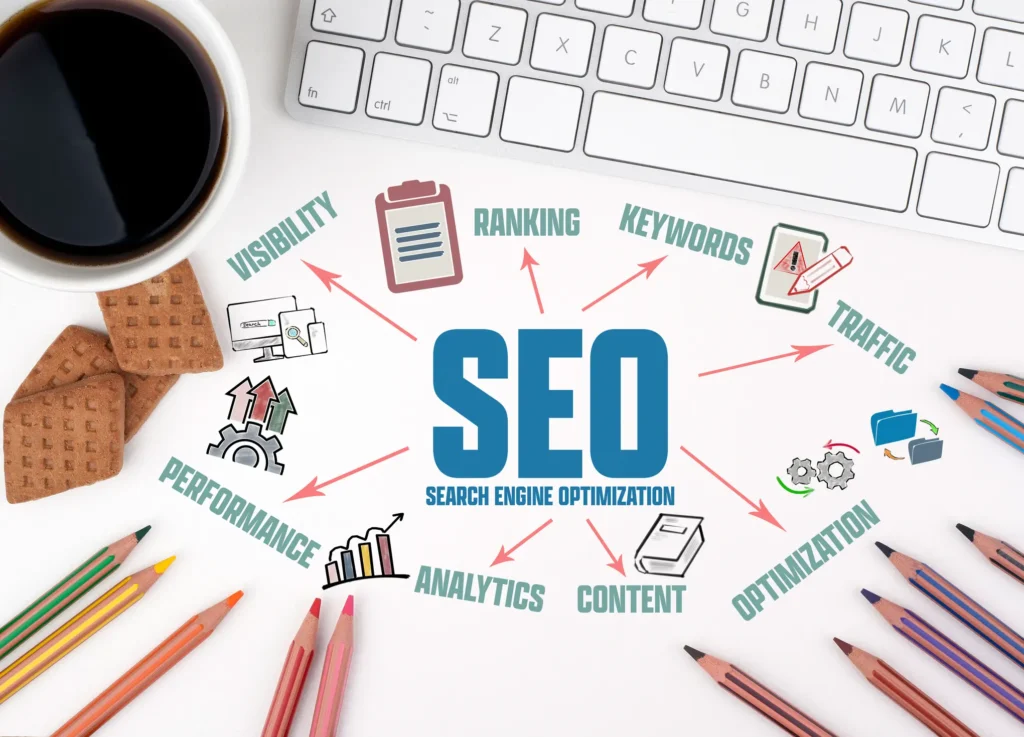
SEO Explained in Depth: How Search Engines Work and How to Rank (Beginner Guide)
Introduction
Every day, billions of searches are made on search engines like Google. People search for answers, products, services, locations, reviews, and solutions to problems. Behind every search result is a complex system working in milliseconds to decide which pages deserve to appear first.
Search Engine Optimization (SEO) exists to help search engines understand content better and deliver the most relevant results to users. While SEO is often seen as a technical or confusing topic, its foundation is actually simple: provide the best possible answer in the best possible way.
This guide explains SEO in depth — how search engines work, the core pillars of SEO, ranking factors, common mistakes, and how beginners can apply SEO practically.
What Is SEO?
SEO (Search Engine Optimization) is the process of optimizing a website so that it ranks higher in organic (non-paid) search engine results.
Organic traffic is valuable because:
-
Users actively search with intent
-
Traffic is consistent over time
-
Trust is higher compared to ads
-
Cost per visit decreases long-term
Unlike paid ads, SEO does not stop working when the budget stops. A well-optimized page can generate traffic for months or even years.
SEO is not about manipulating search engines. It is about aligning your content with what users are searching for and how search engines evaluate quality.
Why SEO Is Important
SEO plays a critical role in digital marketing because:
-
Most online experiences begin with a search engine
-
Users trust organic results more than ads
-
SEO improves website usability
-
It supports content marketing and branding
-
It provides measurable, long-term growth
Without SEO, even high-quality content can remain invisible.
How Search Engines Work (Step by Step)
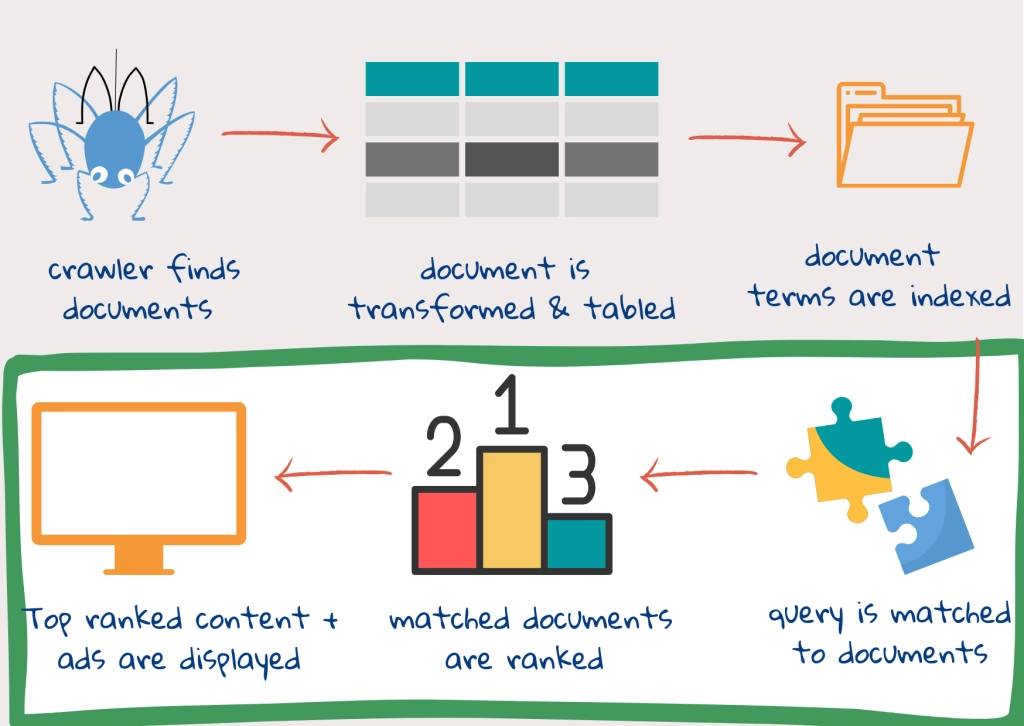
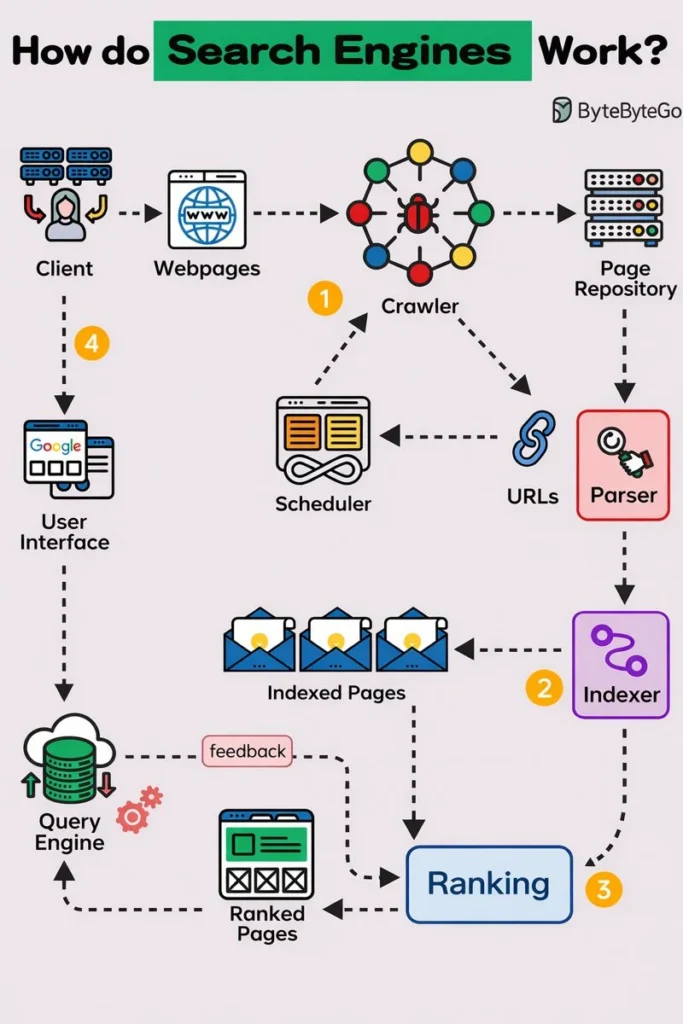
To understand SEO, you must first understand how search engines operate. The process can be broken into three core stages:
1. Crawling
Crawling is the discovery process. Search engines use automated bots (called crawlers or spiders) to scan the internet and find new or updated pages.
Crawlers discover pages by:
-
Following internal links
-
Following external backlinks
-
Reading XML sitemaps
If a page is not crawlable, it cannot rank.
Common crawling blockers:
-
Broken links
-
Incorrect robots.txt rules
-
Noindex tags
-
Poor site structure
SEO starts by ensuring search engines can access your content.
2. Indexing
After crawling, search engines analyze and store content in a massive database known as the index.
During indexing, search engines evaluate:
-
Page content
-
Keywords and topics
-
Images and alt text
-
Internal and external links
-
Page structure
Only indexed pages are eligible to appear in search results.
If a page is not indexed, it is essentially invisible to search engines.
3. Ranking
When a user performs a search, search engines rank indexed pages based on hundreds of factors to determine the best results.
Ranking is influenced by:
-
Relevance to the query
-
Content quality
-
Website authority
-
User experience
-
Trust signals
The goal is to provide users with the most useful and reliable answer.
The Three Core Pillars of SEO
SEO is built on three main pillars. All three must work together for strong rankings.
1. On-Page SEO
On-page SEO refers to optimizations made within your website content.
Key elements include:
Keyword Optimization
Keywords are the words users type into search engines. Effective keyword usage includes:
-
Primary keyword placement
-
Secondary keyword support
-
Natural language usage
Keyword stuffing harms rankings. Context matters more than repetition.
Content Quality
High-quality content:
-
Answers user intent clearly
-
Is original and useful
-
Is well-structured
-
Provides depth and clarity
Search engines favor content that genuinely helps users.
Headings and Structure
Using proper headings (H1, H2, H3):
-
Improves readability
-
Helps search engines understand content hierarchy
-
Enhances user experience
Internal Linking
Internal links connect pages within your website. They:
-
Improve crawlability
-
Distribute authority
-
Keep users engaged longer
2. Technical SEO
Technical SEO ensures search engines can efficiently crawl, index, and understand your website.
Important technical factors include:
Website Speed
Slow websites frustrate users and reduce rankings. Faster pages improve:
-
User experience
-
Engagement
-
Conversion rates
Mobile Friendliness
Most searches happen on mobile devices. Mobile-friendly websites are essential for SEO.
Secure Website (HTTPS)
HTTPS builds trust and protects user data. Search engines favor secure websites.
URL Structure
Clean, readable URLs improve both usability and SEO.
3. Off-Page SEO
Off-page SEO focuses on building authority and trust outside your website.
The most important off-page factor is backlinks.
Backlinks
Backlinks are links from other websites to yours. They act as votes of confidence.
High-quality backlinks:
-
Increase authority
-
Improve rankings
-
Drive referral traffic
Quality matters more than quantity.
Brand Mentions
Even unlinked mentions of your brand help search engines understand credibility and relevance.
Search Intent Explained
Search intent refers to why a user performs a search.
There are four main types:
-
Informational (learn something)
-
Navigational (find a brand or site)
-
Commercial (compare options)
-
Transactional (ready to buy)
Understanding intent helps create content that matches user expectations.
Why SEO Takes Time
SEO does not produce instant results because:
-
Trust takes time to build
-
Search engines evaluate consistency
-
Competition exists
-
Authority develops gradually
SEO is a long-term investment, not a quick fix.
Common SEO Mistakes Beginners Make
-
Keyword stuffing
-
Copy-paste content
-
Ignoring mobile users
-
Poor internal linking
-
Expecting instant rankings
Keyword stuffing
Copy-paste content
Ignoring mobile users
Poor internal linking
Expecting instant rankings
Avoiding these mistakes improves long-term success.
SEO Metrics That Matter
Important SEO metrics include:
-
Organic traffic
-
Keyword rankings
-
Click-through rate (CTR)
-
Bounce rate
-
Conversions
Tracking performance helps refine strategy.
SEO for Beginners: How to Start
-
Learn SEO fundamentals
-
Build a personal website
-
Write helpful content
-
Optimize pages properly
-
Track results and improve
Learn SEO fundamentals
Build a personal website
Write helpful content
Optimize pages properly
Track results and improve
Consistency matters more than perfection.
SEO as a Career Skill
SEO skills are valuable in roles such as:
-
SEO executive
-
Content strategist
-
Digital marketer
-
Growth marketer
SEO combines analytics, creativity, and strategy.
Final Thoughts
SEO is not about tricks or shortcuts. It is about understanding users, creating value, and building trust over time.
When content genuinely helps users and websites focus on quality and structure, search engines naturally reward them with visibility.
Master SEO, and you master the foundation of digital marketing.